



Why a Few Degrees Make a Bigger Difference Than You'd Think
Wheel alignment isn't about eyeballing whether your wheels look straight. It's about setting the exact angles your manufacturer specifies for camber, caster, and toe. When those angles are off, even slightly, the effects show up everywhere else.
Misaligned wheels wear tires unevenly, sometimes fast enough to cut a set's lifespan significantly short. They drag on fuel efficiency, since your tires are fighting the road instead of rolling with it. And they put uneven stress on steering and suspension components that were never designed to compensate for it. A vehicle that's properly aligned handles the way it was built to, and that difference is easy to feel once you know what to look for.
Signs Your Alignment Is Off
Alignment issues tend to announce themselves. Watch for:
- 01Your vehicle pulling to one side on a flat, straight road
- 02A steering wheel that sits crooked when you're driving straight
- 03Tires wearing unevenly, especially on the inside or outside edge
- 04Vibration or looseness in the steering
- 05A vehicle that feels like it wanders or drifts on the highway
Hit a pothole, curb a wheel, or notice new tires wearing unevenly already? Any of those is a good reason to have your alignment checked.
How We Handle Alignment Work
Alignment Inspection
Before we adjust anything, we measure your current camber, caster, and toe angles against manufacturer spec, so we know exactly what's off and by how much.
Two-Wheel Alignment
For vehicles that only need the front end adjusted, we correct camber, caster, and toe on the front wheels to restore straight, stable tracking.
Four-Wheel Alignment
Most modern vehicles are built for a four-wheel alignment, adjusting all four corners so your vehicle tracks true and your tires wear evenly front to back.
Post-Repair Alignment
Suspension or steering repairs, like new struts, tie rods, or control arms, change your vehicle's geometry. We realign afterward to protect those new parts and make sure the repair actually holds.
Precision Comes From the Right Equipment
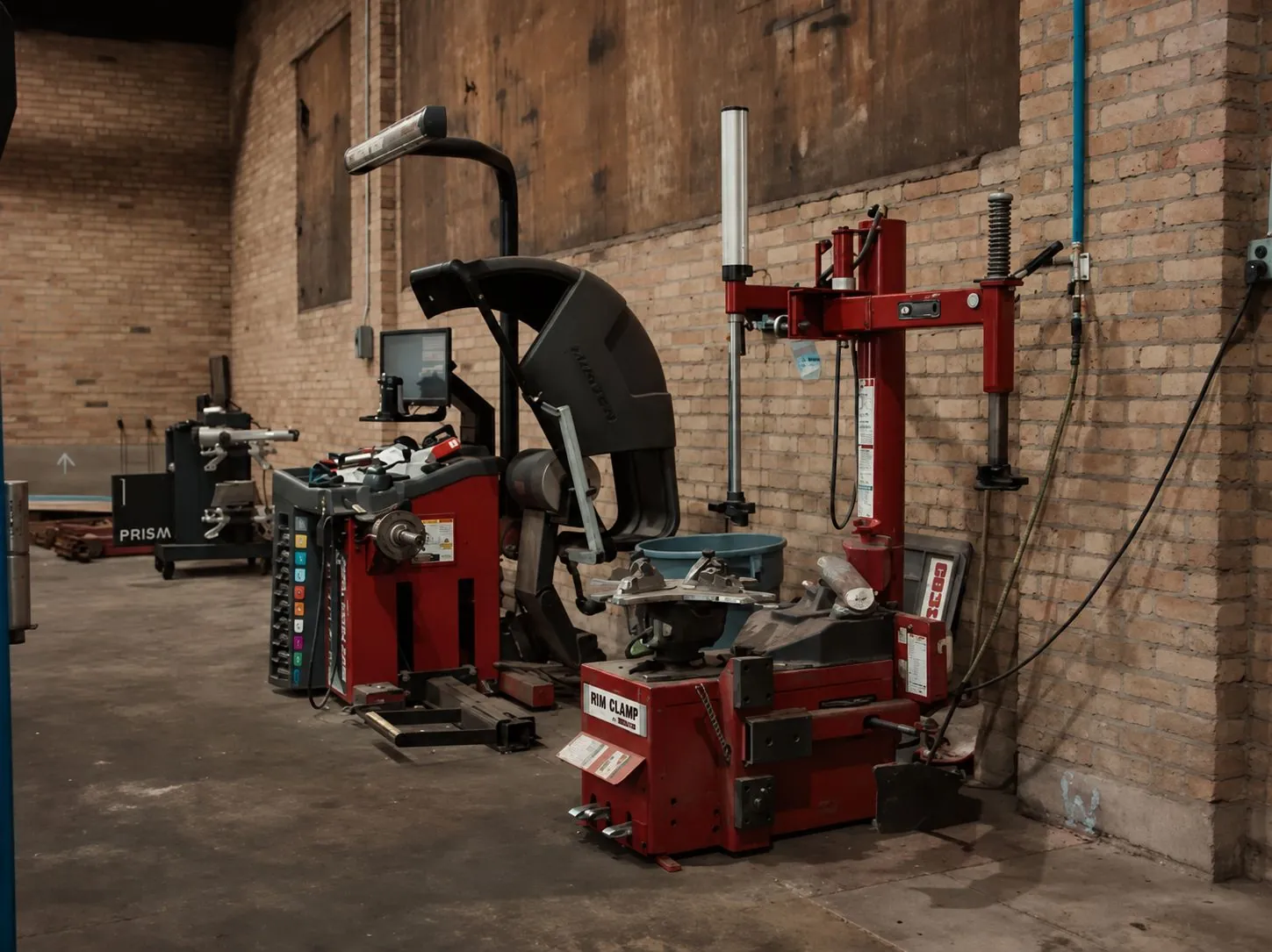
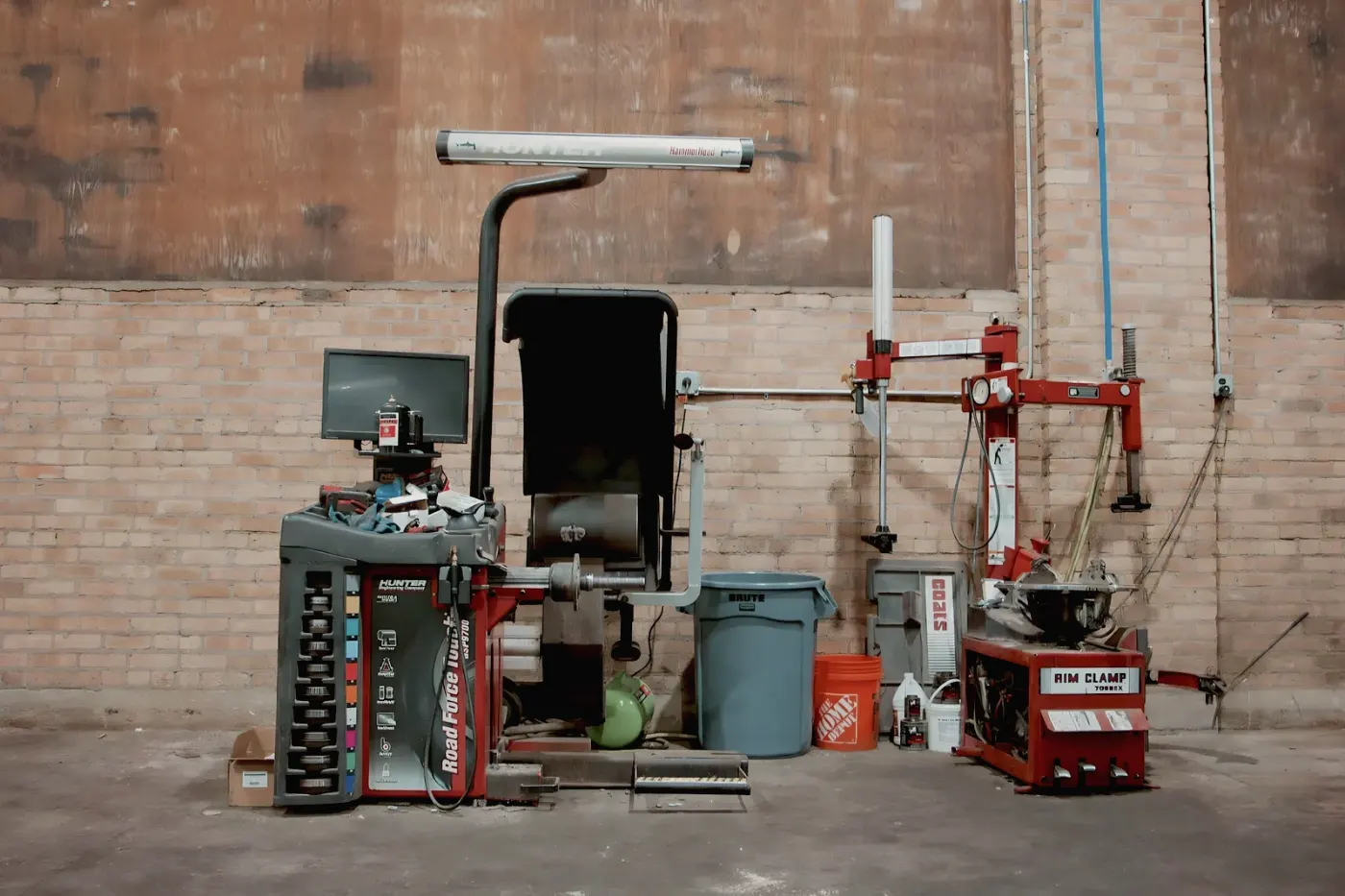
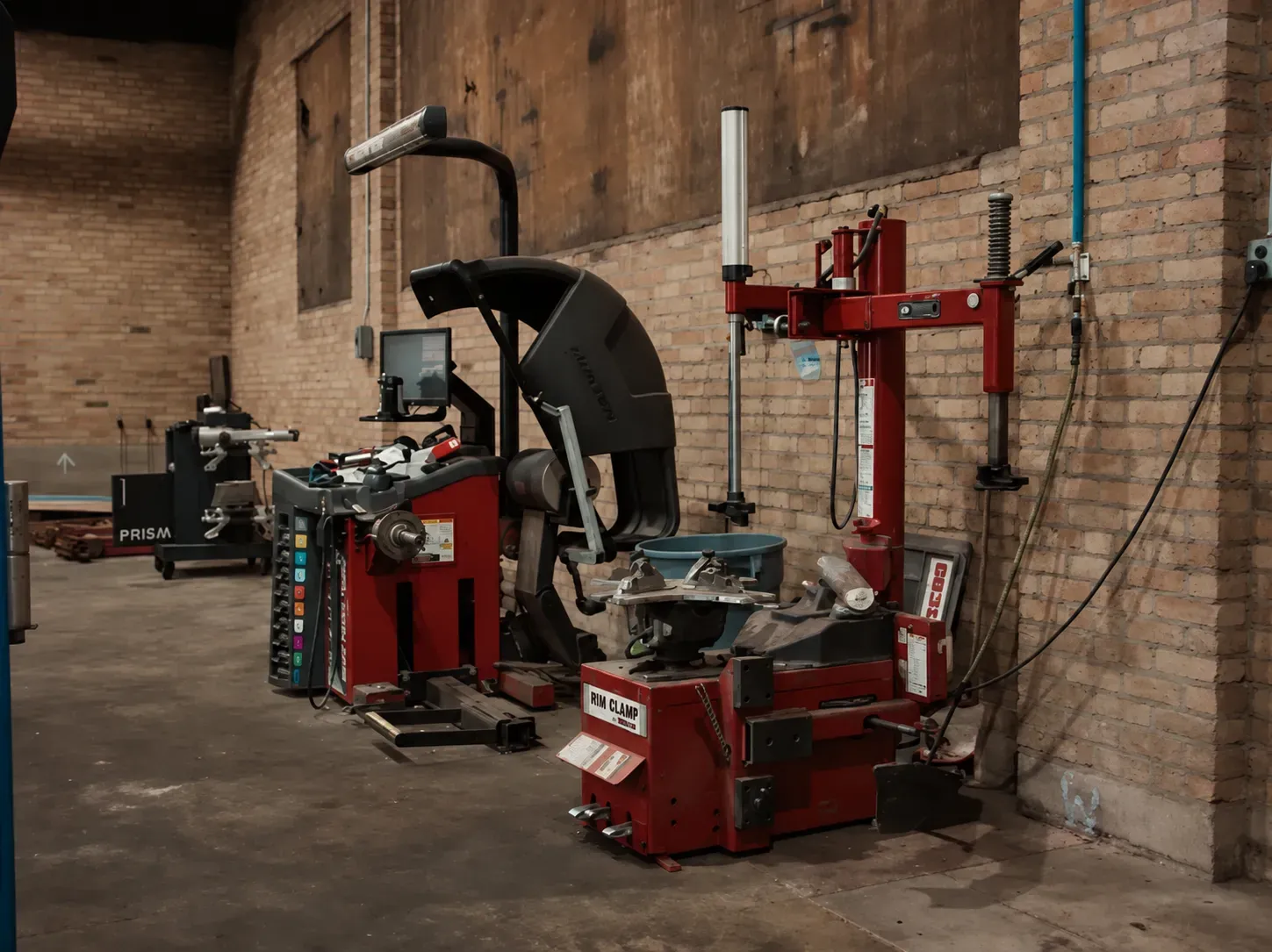
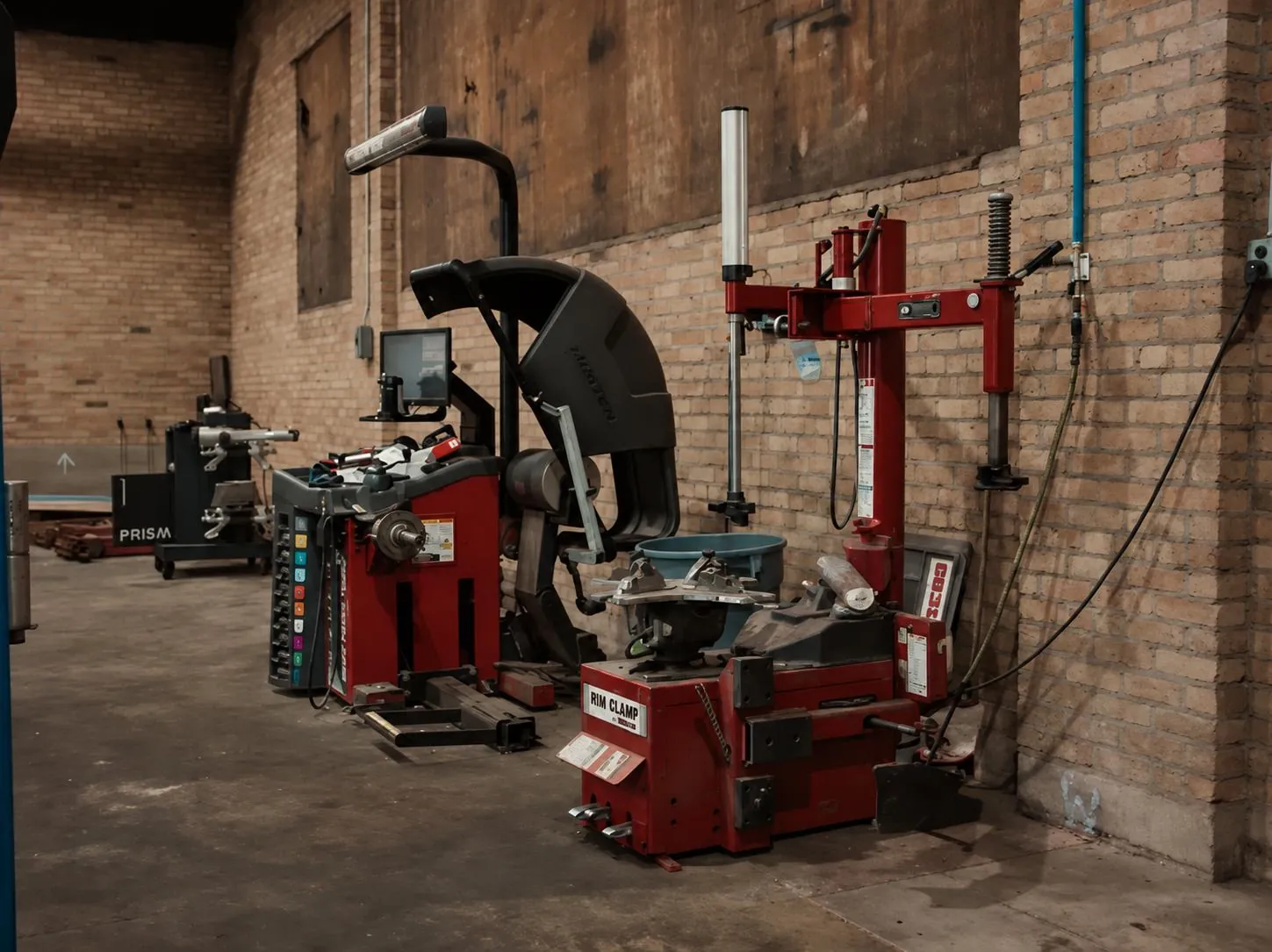
An alignment is only as accurate as the machine performing it, and that's why we invested in Hunter alignment equipment. It reads your vehicle's exact angles and compares them against manufacturer specifications in real time, which means the adjustments we make are precise, not approximate. Whether your vehicle needs a straightforward correction or something more involved, our Hunter machine gives us the accuracy to get it right the first time.
What Makes Alignment Work at The Garage MKG Different
An alignment is a precision job, and we treat it that way every time.
Hunter Alignment Equipment
Precise, calibrated results measured against manufacturer spec, not guesswork.
We Show You the Numbers
You'll see your before and after alignment readings, not just take our word for it.
Paired With the Right Diagnosis
If something's pulling your alignment out of spec, like a worn component, we'll tell you before sending you back out with the same problem.
ASE Certified Technicians
Alignment work is handled by trained, credentialed technicians who know what proper spec actually looks like.
3-Year / 36,000-Mile Warranty
Every alignment we perform is backed by our warranty.
Convenient for Your Schedule
Online scheduling, loaner vehicles, shuttle service, and text-to-pay so getting realigned doesn't eat up your day.
What Drivers Ask About Alignment
How do I know if I need an alignment or new tires?
Uneven tire wear often points to an alignment issue, even if the tires themselves still have life left. We check both during an inspection so you're not replacing tires that would just wear unevenly again.
How often should I get an alignment?
Most manufacturers recommend checking alignment every couple of years or any time you notice pulling, uneven wear, or after hitting a pothole or curb hard.
Do new tires need an alignment?
Not always, but it's worth checking. If your alignment is off, new tires will wear unevenly right from the start, which shortens their life and costs you more down the road.
Will an alignment fix a vibration in my steering wheel?
It depends on the cause. Alignment addresses pulling and uneven wear, but vibration is often tied to tire balance or a suspension component. We'll check both so we're fixing the actual issue.